
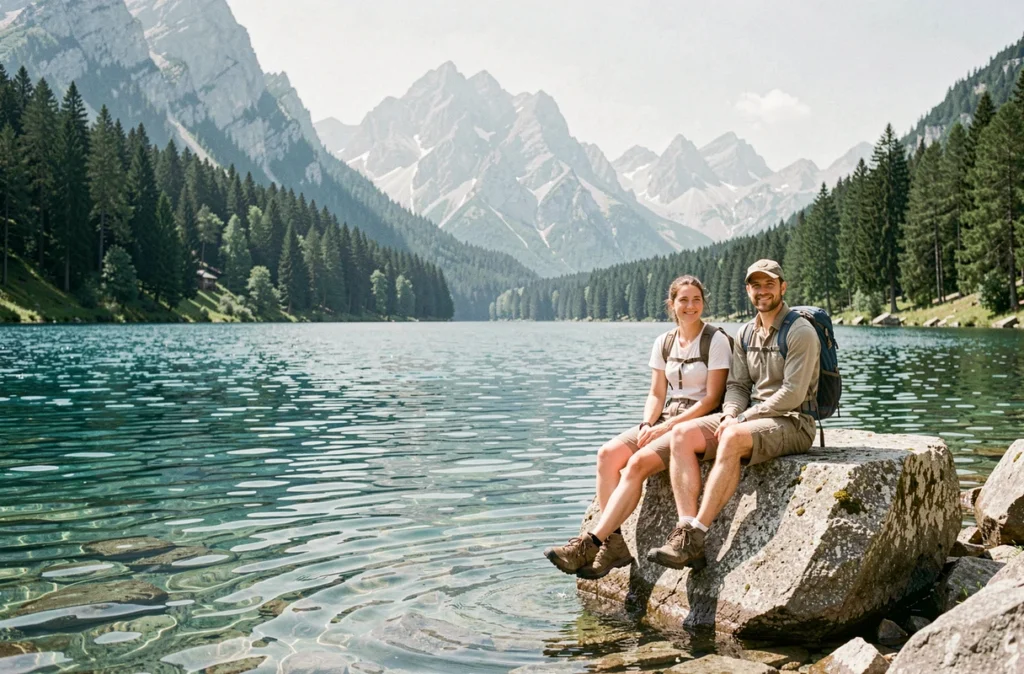
Grenoble is surrounded by mountain ranges, with lakes of very different character nestled between them. Before loading up the car on a summer morning, it’s worth asking one question: is swimming actually allowed where you’re planning to go? With temporary health restrictions, prohibited areas downstream of dams and access closures due to wildfire risk, a lake trip in Isère takes just as much planning as a high-altitude hike.
Swimming allowed or prohibited: what the guides forget to mention
Most lists of lakes around Grenoble present each spot as a picture-perfect setting. They rarely mention that swimming can be suspended at any time by municipal or prefectural order, including at lakes that are usually popular with visitors.
At Lac du Verney, for example, swimming downstream of the dam is strictly prohibited, with specific safety measures in place. This isn’t a seasonal restriction: it’s a permanent ban related to water infrastructure safety. The signs are there, but many visitors ignore them.
Before each trip, check health and municipal notices on the day. The government’s bathing water quality website (data.gouv.fr) lists test results for monitored beaches. It’s the most reliable way to avoid an unpleasant surprise.
Among the lakes around Grenoble, some have lifeguarded beaches in summer, while others offer neither lifeguard supervision nor water quality monitoring. That makes a huge difference to the experience, especially with children.
Lac de Paladru and Lac de Laffrey: two different settings, two levels of caution
Both lakes feature on every list, and for good reason. But they differ in one key respect: lifeguard supervision.
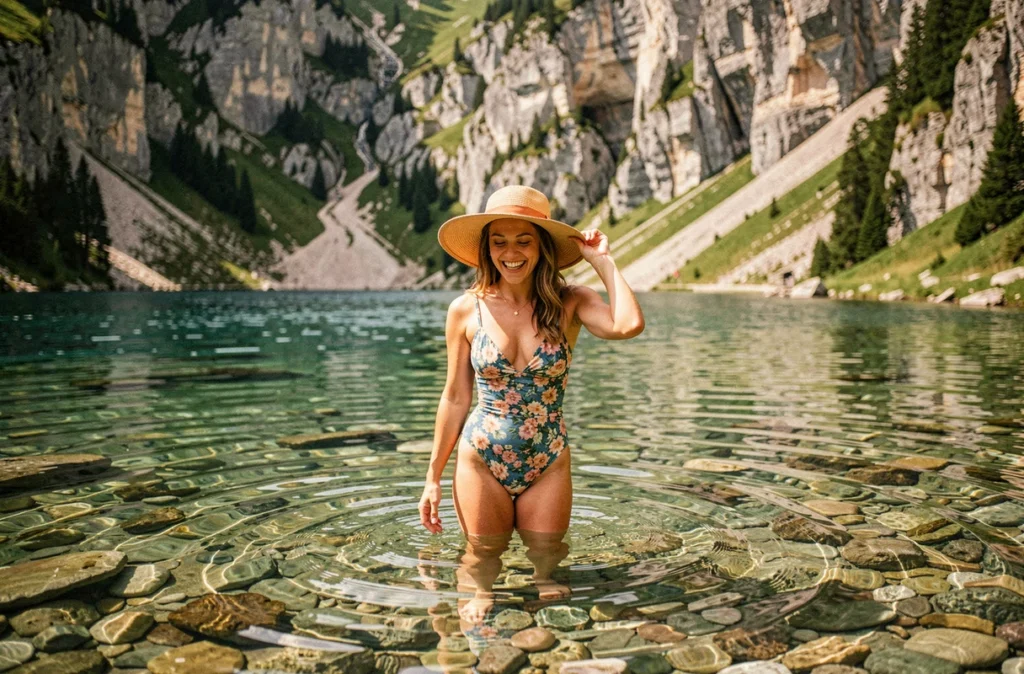
Paladru, the lake with turquoise waters
Paladru draws visitors with its water’s vivid color and its archaeological heritage. Some beaches offer lifeguard-supervised swimming in summer, making it a good choice for families. Paddleboarding, sailing and walks along the shore round out the day.
Have you ever noticed how the water’s color changes from one day to the next? It depends on the water’s turbidity and the weather in the preceding days. Turquoise water on a Sunday can turn opaque green after a storm.
Laffrey, a gem without a safety net
Lac de Laffrey, in Matheysine, has emerald waters and tree-lined beaches. Swimming is unsupervised. That means there’s no lifeguard on duty, and swimmers are entirely responsible for their own safety.
For experienced swimmers, Laffrey is still a remarkable setting. Families with young children are better off choosing a supervised site such as Paladru or the Bois Français leisure center.
Monteynard and its footbridges: check before you hike
Lac de Monteynard has become one of Isère’s most photographed spots, thanks to its Himalayan-style footbridges suspended above the water. The scenery is spectacular, but visitor numbers raise practical questions about managing the site and keeping its infrastructure safe.
Before planning a hike that crosses the footbridges, check whether they’re open and in good condition with local sources. Temporary closures for maintenance or to manage visitor numbers have occurred in the past. Without checking, you risk finding the entrance closed after an hour’s walk.
The lake itself, fed by the Drac River, isn’t a typical swimming lake. Water sports such as sailing and kayaking are possible, but the banks are steep in places. It’s a lake for taking in the scenery and getting active, not for a beach day.
Lac du Sautet and Bois Français: two extremes of what Isère has to offer
Lac du Sautet, a picture-perfect view of the Obiou
Lac du Sautet offers a view of the Obiou that few alpine lakes can match. In summer, a lifeguarded beach makes swimming possible, while activities such as canoeing and via ferrata add to the appeal.
It takes longer to reach from Grenoble than Paladru or Laffrey. Allow about an hour’s drive, making it more of a full-day outing than a late-afternoon trip.
Bois Français, an easy option just outside Grenoble
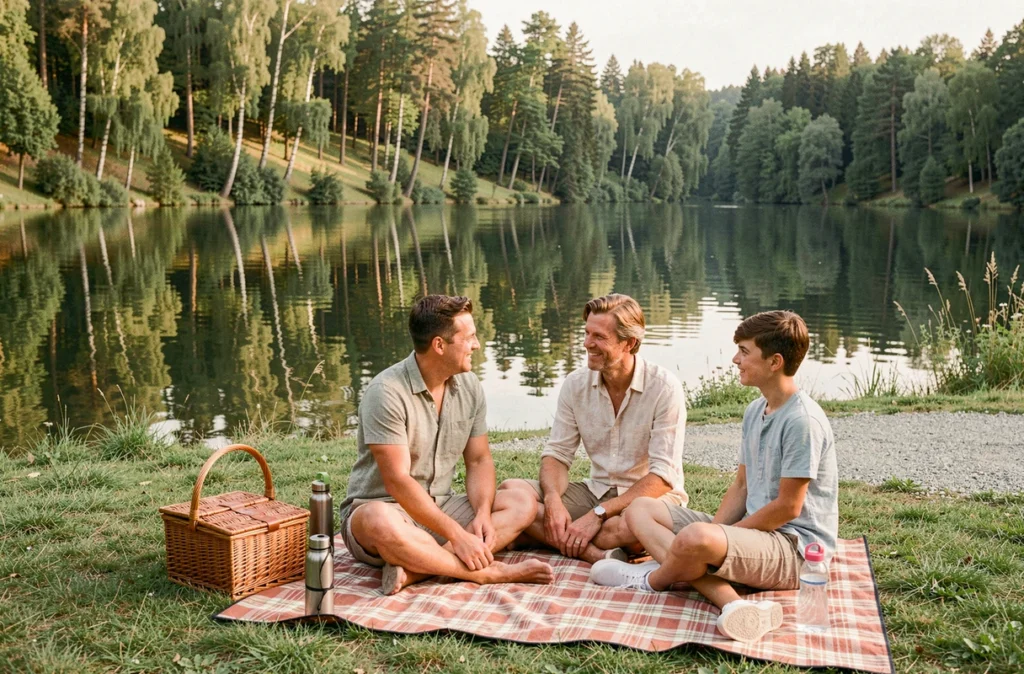
The Bois Français leisure center, on Lac du Taillefer, ticks all the practical boxes: lifeguarded swimming, water sports and public transport access. It’s the obvious choice for a quick family outing without a car.
The downside: it can get very crowded on hot weekends. Arriving early in the morning makes a huge difference.
Planning a lake trip in Isère: what to check
Here’s what to check before every outing, whichever lake you choose:
- Water quality and permission to swim: check test results on the government’s dedicated bathing water website, which is updated regularly during the summer season.
- Access restrictions due to wildfire risk: during dry spells, access to natural areas near Grenoble may be suspended by prefectural order. Check the day before you leave.
- Trail and infrastructure conditions: for lakes reached by hiking (Monteynard, high-altitude lakes in Belledonne or Chamrousse), check whether the trails are open and whether footbridges or bridges are in good condition.
- Lifeguard supervision or lack thereof: a lake without a lifeguard isn’t necessarily dangerous, but it does require an honest assessment of your swimming ability and that of anyone accompanying you.
High-altitude lakes reached by hiking, such as Lac Achard from Chamrousse and the Lacs Robert in Belledonne, offer a very different experience. Swimming is rarely supervised, the water is cold, and the effort required to reach them naturally keeps visitor numbers down. These are destinations for hikers, not casual swimmers.
Seven lakes, seven kinds of outing, and just as many potential pitfalls for anyone who doesn’t take five minutes to check first. The best lake in Isère is the one you arrive at knowing exactly what to expect—including any restrictions.