In France, retirement concerns a growing share of the population, and the questions it raises go far beyond pension income. Housing, health, activities, social connections: each area calls for practical decisions that change over time. The needs of someone who has just retired are not the same as those of someone over eighty, and one-size-fits-all advice often overlooks this reality.
Plan for several stages of retirement, not just one
Most guides treat retirement as a single, uniform phase. Yet the first few years look very different from those that follow. An active 65-year-old retiree may travel, volunteer with associations and play sports. Ten or fifteen years later, priorities shift towards maintaining independence in everyday life, adapting the home or moving closer to family.
Planning for these transitions from the outset helps avoid decisions made in a hurry. The French pension insurance system publishes resources on adapting daily life and the home, including regional data that can help you identify the services available where you live. The information compiled on the Info Seniors website for older adults also provides a useful overview to help guide your choices at every stage.
Planning for two or three possible scenarios rather than just one (staying at home, adapting your home or moving) helps lay the financial and practical groundwork well before the need becomes urgent.

Physical and cognitive activities for older adults: what matters day to day
Advice on physical activity in retirement is often summed up as “move more.” But the right amount and type of exercise deserve closer consideration.
Physical activity suited to your age
Walking, swimming, gentle cycling and low-impact exercise classes remain among the most accessible options. Consistency matters more than intensity. Two or three sessions a week are enough to maintain joint mobility and balance, both of which are directly linked to fall prevention.
- Daily walks, even short ones, support cardiovascular health and wellbeing without requiring equipment or expense
- Group classes (water aerobics, yoga, tai chi) add a social element that helps sustain motivation over time
- Light strength-training exercises at home using resistance bands or light weights help preserve muscle mass
Cognitive stimulation and music
Learning to play a musical instrument, singing in a choir or taking part in writing workshops engages working memory and coordination. Regular cognitive stimulation slows the decline of executive function, which can translate into better management of everyday tasks.
Hands-on activities such as painting, pottery and sewing also engage fine motor skills and concentration. They have the added benefit of producing something tangible, which helps maintain a sense of purpose.
Retirement income and budgeting: the blind spots
Almost every guide for older adults covers financial matters. The blind spots tend to lie less in the broad principles than in the details that have a real impact on day-to-day life.
Out-of-pocket healthcare costs rise with age, particularly for eye care, dental care and hearing aids. Reviewing your health insurance every two or three years in light of your changing needs can help you avoid paying for unnecessary coverage—or, conversely, facing a large bill when you need expensive treatment.
Housing costs are often the largest item in the budget. A home that is too large can mean disproportionate heating, maintenance and property tax costs relative to retirement income. Reviewing how much living space you actually need every five years helps keep housing costs in line with your needs.
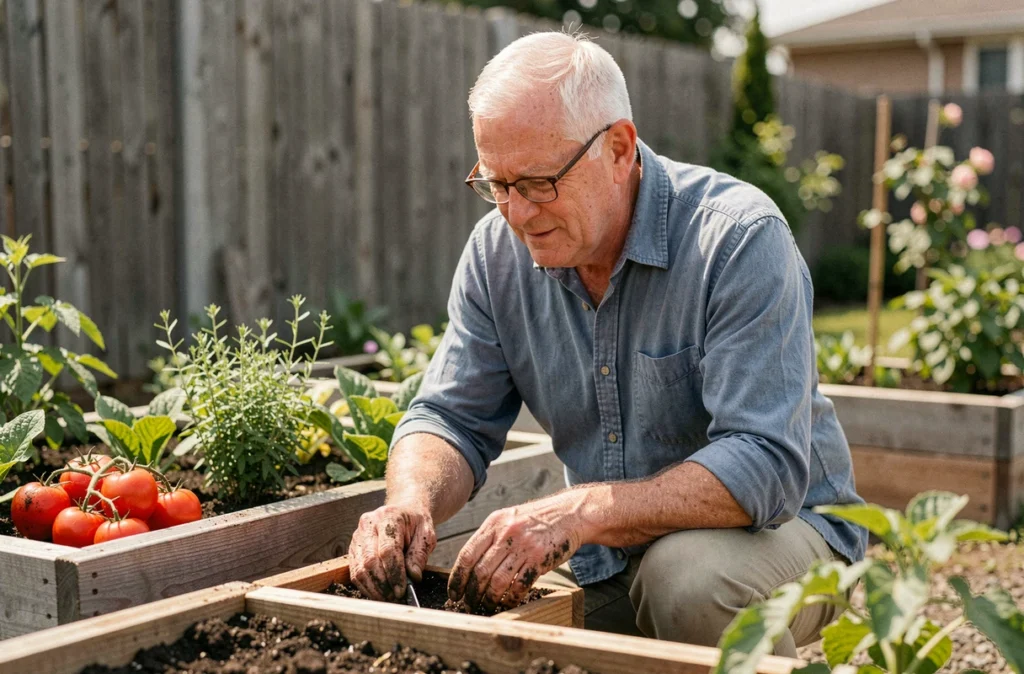
Social connections in retirement: how volunteering makes a difference
Social isolation is a documented risk factor for the physical and mental health of older adults. Workplace connections can disappear overnight, and friendships do not automatically fill the gap.
Volunteering plays a special role here. Unlike individual hobbies, it provides structure—with schedules, responsibilities and teamwork—that gives shape to the week. Volunteering provides a defined social role and a tangible sense of purpose.
- Charities, food banks and tutoring programs are actively seeking retired volunteers for their availability and experience
- One-off opportunities (local events, fundraising drives) suit people who do not want a regular commitment
- Skills-based volunteering (consulting, training, mentoring) puts previous professional experience to direct use
The new relationships formed through volunteering are built around a shared goal, which helps them last. For retirees living in senior residences, group activities offered on site add to this social network, but do not fully replace it: getting out and getting involved in the wider community broadens your social interactions.
Assistive devices at home: an underestimated way to maintain independence
Home adaptations are often reduced to installing a walk-in shower or grab bars. Assistive devices cover a much wider range of needs.
The French pension insurance system lists options such as robots that help with household tasks, reducing the physical effort involved in cleaning, preparing meals or tidying up. These devices do not replace human assistance, but they can help people live independently at home for longer by reducing fatigue and the risk of injury.
The cost of this equipment varies considerably. Some pension funds and local authorities offer financial assistance for home adaptations, but eligibility requirements differ from one region to another. Contacting your pension fund or local social services office is the most reliable way to find out which programs are available in your area.
Retirement unfolds in stages, each with its own challenges. Decisions made early on—about housing, finances and social engagement—shape the options available in the years that follow. Regularly checking the regional resources provided by your pension fund helps you stay up to date on the assistance available.