
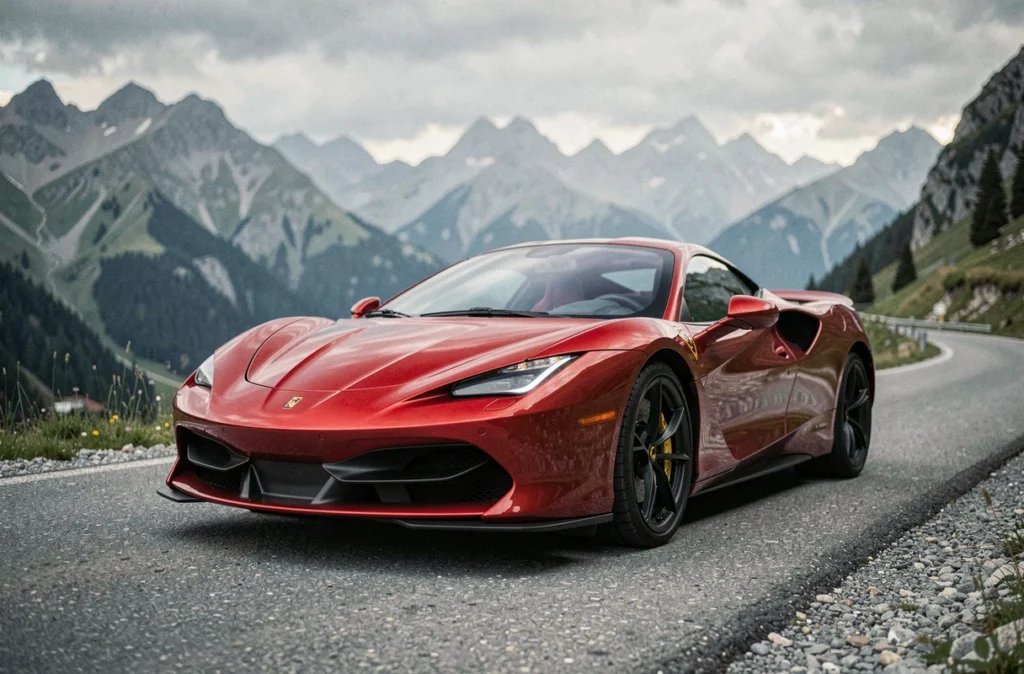
A sports car is defined first and foremost by its power-to-weight ratio, far more than by its raw spec sheet. A lightweight model with a few hundred horsepower delivers more thrills than an SUV with twice the power. But driving enjoyment alone doesn’t make for a good purchase: the true cost after taxes, compatibility with urban restrictions and ease of resale matter just as much as the torque curve.
The true cost of a sports car: what the list price doesn’t show
The price displayed at the dealership is only part of the total cost. In 2026, the CO₂ penalty applies from 108 g/km, with a stricter scale than the previous year. The weight penalty kicks in at 1,500 kg. For a petrol sports car that often exceeds both thresholds, the additional cost can radically change the choice between two models.
To compare offers, add together the list price, CO₂ penalty, weight penalty and insurance costs. A coupe listed a few thousand euros below a competitor could end up costing more once these items are factored in. Listings on the Sports Automobiles website make it easy to compare the prices of sports models with their technical specifications.
Tax rules for 2027 remain uncertain. A standalone parliamentary vote had raised the possibility of scrapping the penalty, but the current scale has not changed, and any updates will depend on the adoption of the next budget. It’s best to base your decision on the rules in force when the vehicle is registered.
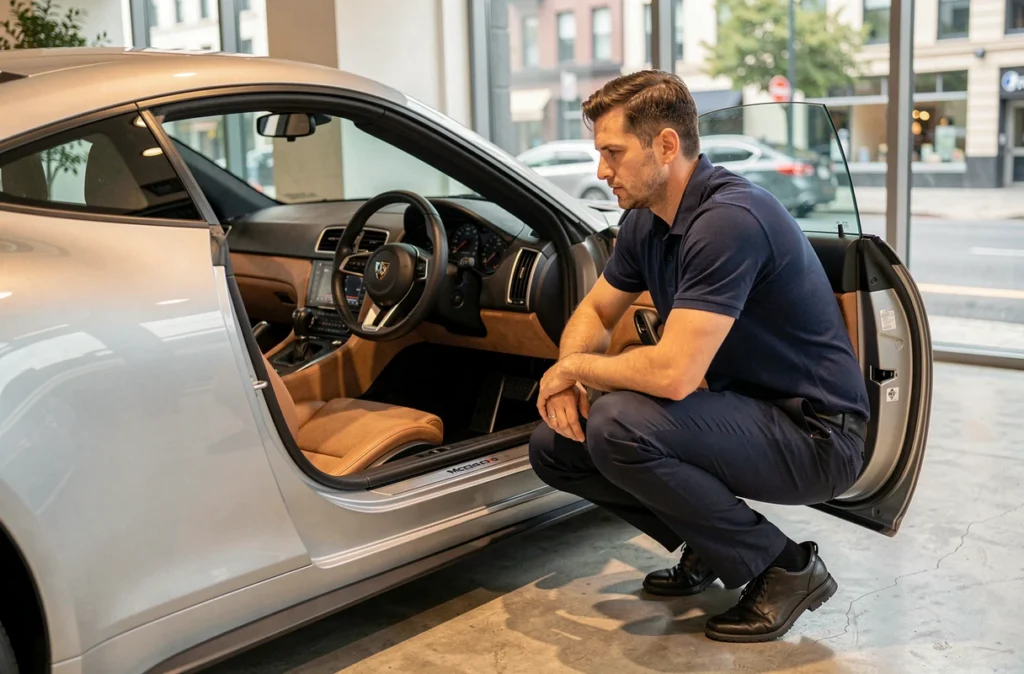
Access to low-emission zones and the Crit’Air sticker: a factor buying guides overlook
A sports car bought for weekend enjoyment often ends up being used during the week too, even if only for the occasional trip into the city centre. Low-emission zones (LEZs) in several French cities require a compatible Crit’Air sticker. An older petrol sports car may be banned from driving in these areas, limiting its versatility.
This is particularly relevant to the used-car market, where the most attractively priced models are also the oldest and therefore have the lowest Crit’Air ratings. Before signing, check the vehicle’s environmental classification and the restrictions in place in the cities where you drive to avoid an unpleasant surprise.
Which uses are still practical for each powertrain?
- A recent petrol model (Crit’Air 1) remains compatible with most current LEZs, but there’s no guarantee that the thresholds won’t be tightened in the coming years.
- A plug-in hybrid sports car combines city driving in electric mode with driving enjoyment on open roads, provided the extra battery weight doesn’t compromise its handling too much.
- An all-electric sports car eliminates Crit’Air restrictions, but you’ll need to check the charging infrastructure along your usual routes and the model’s actual charging time.
Electric sports cars: paper performance versus real-world compromises
Electrification is gaining ground in sports cars, but going electric doesn’t guarantee a hassle-free experience. The Alpine A390 GTS is a case in point: tested on a circuit, this electric sports car features a 400 V architecture and charging times that testers considered long. The instant torque comes at the cost of higher weight and a range that requires planning on longer journeys.
Initial sales of the A390 also fell short of expectations, with production reportedly scaled back in 2026. Monthly finance payments proved less competitive than those for some petrol rivals with comparable performance. For buyers, this means that financing terms, expected resale value and the size of the after-sales network deserve just as much attention as the spec sheet.
What to compare before choosing between petrol and electric
Power-to-weight ratio remains the best indicator of driving thrills. A lightweight petrol sports car often outperforms a more powerful but heavier electric model through corners. The key question isn’t “petrol or electric?” but rather: which balance of driving enjoyment, total cost and everyday practicality suits your actual needs?
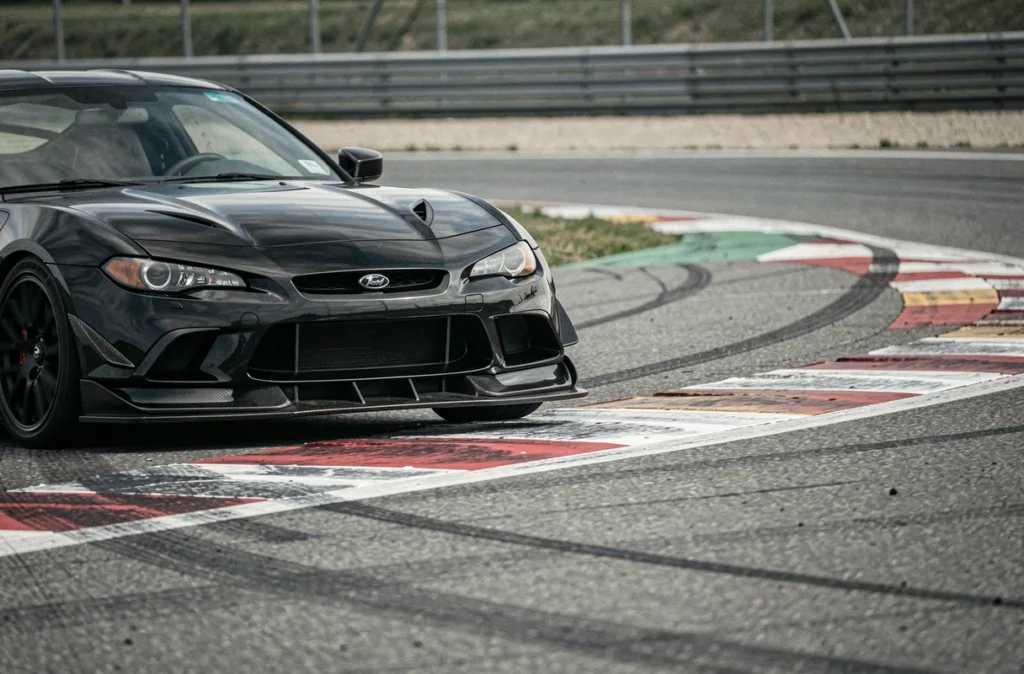
Sports car resale value: plan ahead before you buy
Depreciation varies widely depending on the brand, powertrain and rarity of the model. Vehicles from manufacturers with extensive after-sales networks (Porsche, BMW) generally hold their value better than models from brands with more limited coverage.
Uncertainty is greater in the electric segment. Battery technology is evolving rapidly, and a model bought today may seem outdated in terms of range or charging speed in a few years. The resale value of an electric sports car depends as much on technological progress as on the vehicle’s condition.
Three practical factors affect depreciation:
- Production volume: a limited-production model holds its value better than a mass-market vehicle.
- Documented service history: for a sports car, a complete service record from the official dealer network reassures the next buyer and helps protect its value.
- Future regulatory compliance: a vehicle at risk of being excluded from LEZs in two or three years becomes less appealing on the used-car market, even with low mileage.
Choosing a sports car is a commitment that lasts several years. Adding the purchase penalty, checking the Crit’Air sticker, comparing charging or maintenance costs and estimating likely depreciation gives you a more reliable picture than looking at the power figures alone. The ideal model is one that still suits your everyday life after the excitement of the first test drive has worn off.