
The diet and medications are two essential components of our daily lives. However, did you know that some foods can interact with the medications you take, thereby altering their effectiveness and sometimes causing side effects? In this article, we will explore these interactions, focusing on foods rich in certain substances that can potentially influence the effectiveness of medications.
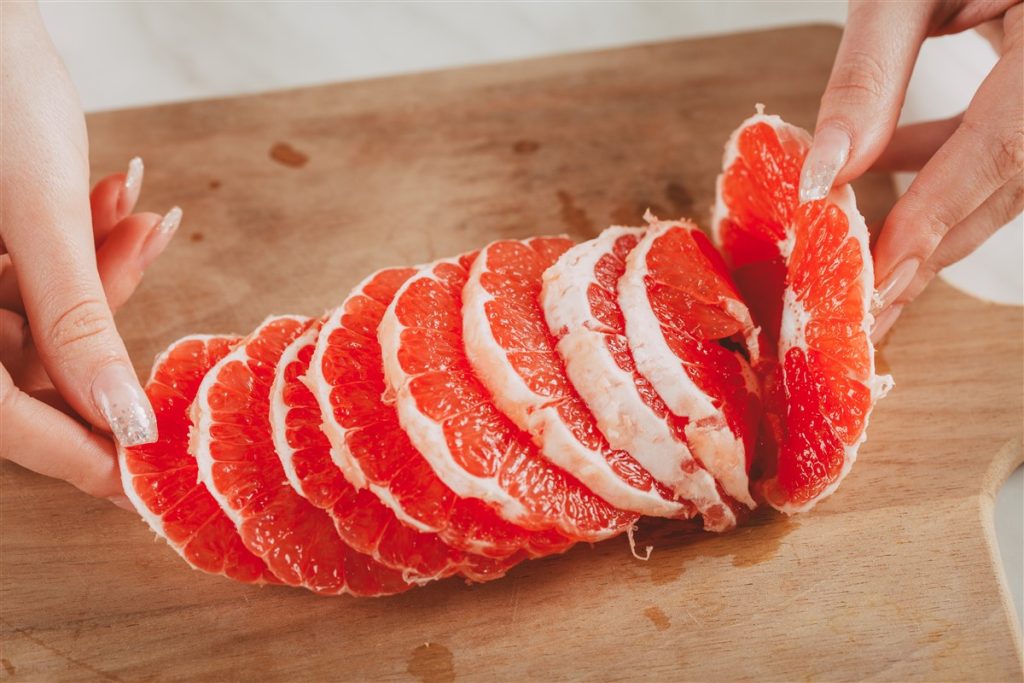
Grapefruit and medications: a risky combination
Grapefruit is a delicious fruit rich in vitamins. However, it can also conflict with certain medications. Indeed, this fruit contains compounds that can block an enzyme (CYP3A4) responsible for breaking down many medications in our bodies. The result: the concentration of the medication in the blood increases, with a risk of overdose and side effects.
For example, if you take medications for high blood pressure, cholesterol, certain heart rhythm disorders, or Parkinson’s disease, grapefruit should be consumed with caution. Talk to your healthcare professional.
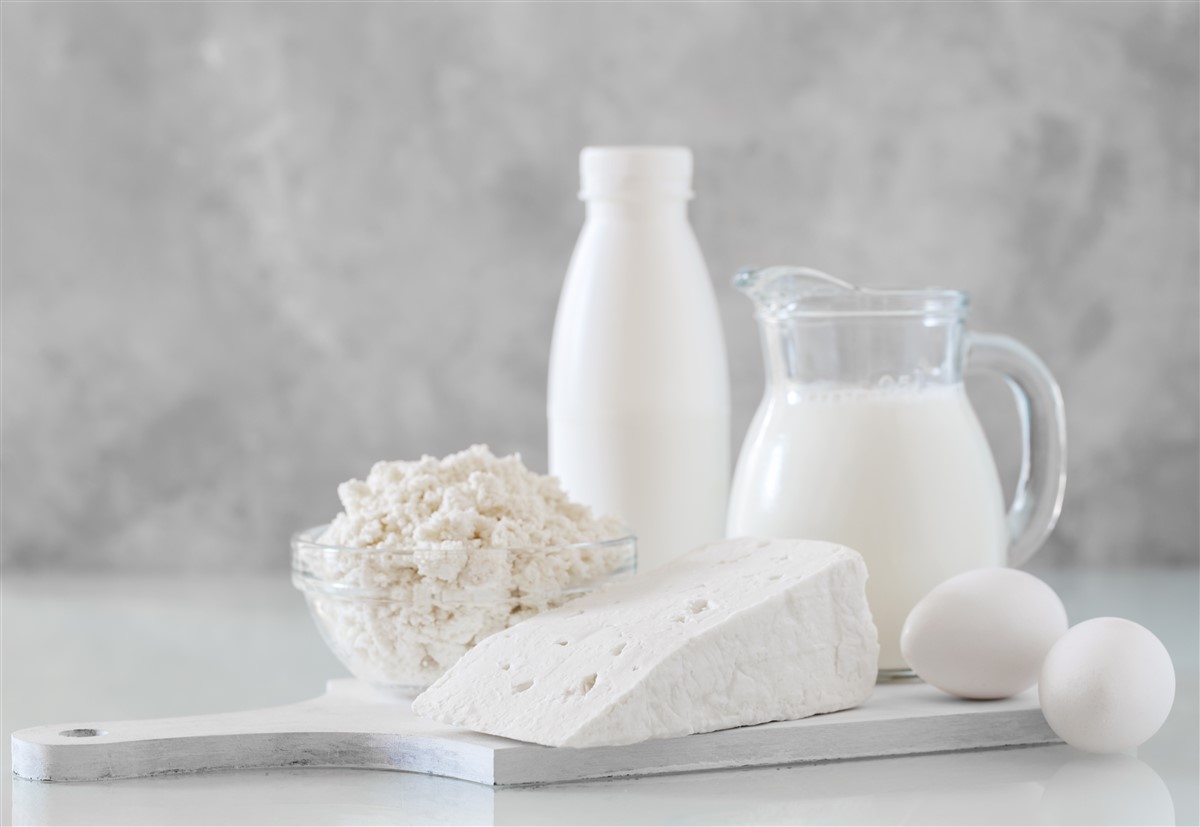
Dairy products and their interactions with medications
Dairy products are real “traps” for certain medications. They contain calcium, which can bind to some medications (such as antibiotics from the tetracycline or fluoroquinolone families) and prevent their absorption by the body.
To avoid these interactions, it is generally recommended to take these medications at least 2 hours before or 4 hours after a meal containing dairy products. Again, your pharmacist can advise you on the best way to proceed.
Foods rich in vitamin K and anticoagulants
Some green vegetables are rich in vitamin K, a vitamin that plays a key role in blood clotting. If you take anticoagulants like warfarin, consuming these vegetables may decrease the effectiveness of the treatment.
It’s not about eliminating these vegetables from your diet, but rather consuming stable and moderate amounts. Sudden variations in your consumption can indeed disrupt the balance of your treatment. Discuss this with your healthcare professional for personalized advice.
Alcohol and medications: a combination to avoid
Consuming alcohol can interact with many medications and increase the risk of side effects. For example, alcohol can enhance drowsiness caused by certain medications (antihistamines, antidepressants, sedatives…). It can also increase the risk of bleeding with certain anti-inflammatories.
The golden rule? Avoid alcohol if you are taking medications, or consult your pharmacist.
In summary, it is crucial to be aware of the impact that our diet can have on the effectiveness of medications and on our health in general. It is not about demonizing certain foods or avoiding food-medication interactions at all costs, but rather about consuming in a balanced and mindful way. Remember, your pharmacist is there to advise you and help you navigate the complex world of drug interactions. Take care of yourself and your plate.
Conference on plates and pills – Understanding the influence of diet on the effectiveness of medications.