

In a world where technology evolves at a breakneck pace, the way we design and repair our electronic devices has also changed significantly. The iPhone 13 Pro Max, with its high-end features and undeniable popularity, is a perfect example of devices for which repairability is becoming crucial. In 2025, the market for smartphone spare parts, particularly for Apple’s flagship model, is marked by exciting trends that combine pragmatic sustainability, technical innovation, and conscious consumer choices.
The Different Spare Parts for the iPhone 13 Pro Max
When it comes to repairing a smartphone, knowledge of the available spare parts is essential. Each component of the iPhone 13 Pro Max plays a vital role in its proper functioning. Among the parts that are often replaced, here they are:
- LCD Screen: The most frequently replaced component, especially in case of impacts or drops.
- Battery: A battery that no longer holds a charge or is swelling requires quick replacement.
- Back Chassis: Subjected to shocks, it can deform, necessitating replacement to preserve the smartphone’s integrity.
- Camera: Blurry images or focusing issues may reveal defects in the camera.
- Charging Connector: Essential for proper charging, a faulty connector can make the task difficult.
These components are widely available on platforms like iFixit or Monsieur Mobile, and are often rigorously tested before sale.

Screens and Their Specifications
The screens of the iPhone 13 Pro Max are known for their display quality. In 2025, users can choose from a variety of screen types, ranging from standard models to premium versions:
| Screen Type | Resolution | Price |
|---|---|---|
| Eco HD LCD | 1284 x 2778 pixels | €26.90 |
| Premium FHD LCD | 1284 x 2778 pixels | €34.90 |
Before making a choice, it is advisable to check sources like iParts to ensure compatibility and quality of the screens.
Essential Tools for Repair
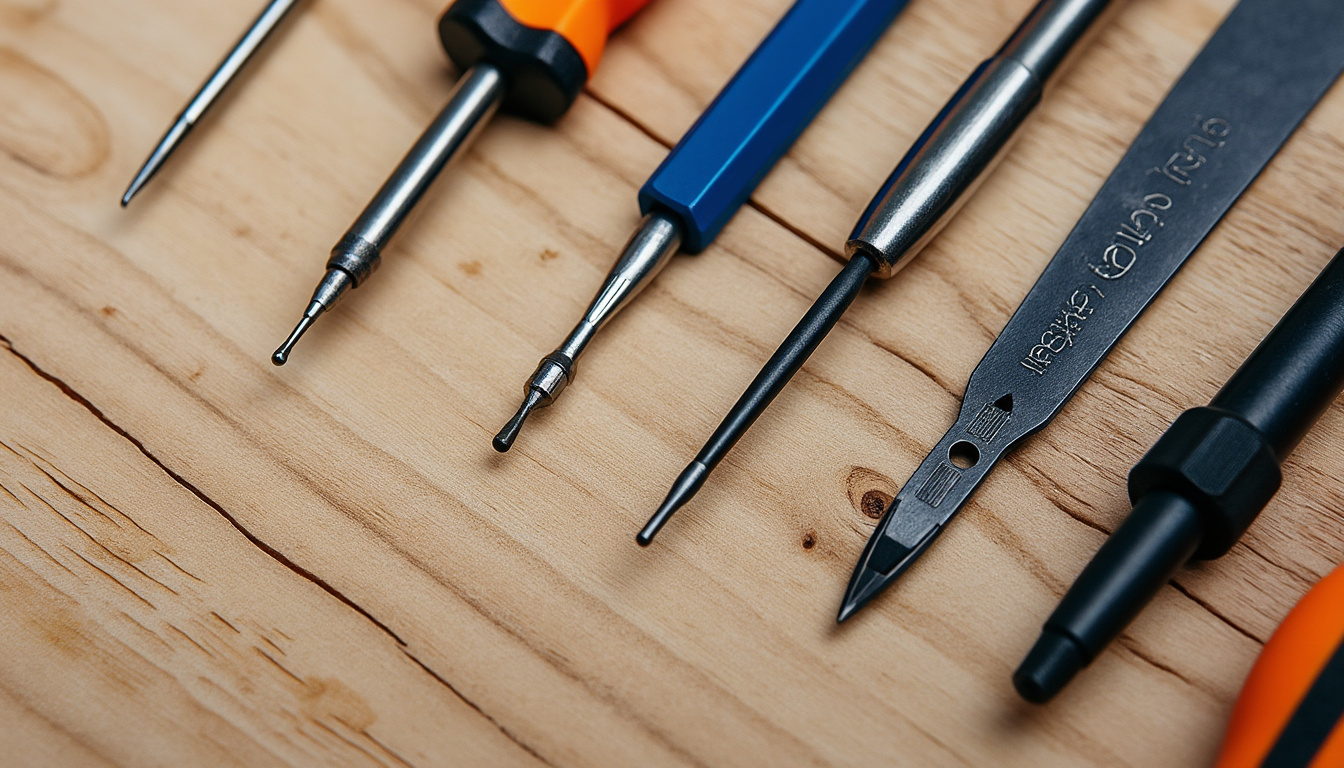
To repair your iPhone 13 Pro Max, it is essential to have good tools. Having the right equipment can prevent further damage to your phone. Here is a recommended list of tools to have:
- Pentalobe Screwdriver: Essential for unscrewing the chassis.
- Plastic Opening Tool: To open the chassis without damaging it.
- Tweezers: Handy for handling small parts.
- Suction Cup: Useful for removing the screen without breaking the edges.
Including a magnetic mat to organize screws can also be very helpful during disassembly. Repair kits are available on sites such as Brico-phone or MacManiack.
Assessing the Quality of Spare Parts
With the increase in the number of suppliers, it is imperative to assess the quality of the parts you are considering purchasing for your iPhone 13 Pro Max. Here are some criteria to consider:
| Quality Criteria | Details |
|---|---|
| Part Origin | Opt for original parts or those recognized by trusted brands. |
| Warranty | A 12-month warranty is generally a good sign of quality. |
| Compatibility Testing | Ensure that the part has been tested with your specific model. |
To assist you, Pièces2mobile and iRep provide tested and certified parts, allowing you to avoid potential issues.
Steps to Repair Your iPhone 13 Pro Max
Performing repairs requires good preparation. Setting up a multi-step plan ensures a methodical approach. Here is a simple guide for changing a broken screen, for example:
- Preparation: Turn off your iPhone and remove the SIM card.
- Opening: Use the pentalobe screwdriver to remove the screws from the chassis.
- Removing the Screen: With the opening tool, start gently unlocking the screen.
- Installation: Replace the old screen with the new one and ensure all components are properly connected.
- Testing: Before closing, test the new screen to ensure it functions correctly.
If you have doubts, video tutorials are available on Brico-phone, providing clear instructions for each step.
Repair Costs: What You Need to Know
The cost of repairs can vary widely depending on the chosen parts and their origin. In general, here is an overview of the average costs for spare parts:
| Part | Average Price |
|---|---|
| Screen | €40.00 to €60.00 |
| Battery | €12.00 to €18.00 |
| Back Chassis | €25.00 to €95.00 |
Investing in quality parts may seem expensive in the short term, but it often constitutes a more economical choice in the long term.
FAQ on iPhone 13 Pro Max Repairs
What are the most frequently replaced parts?
Screens and batteries are generally the most frequently replaced parts by users.
How can I tell if a part is compatible?
Check the model numbers and specifications of the part. Sites like iFixit provide valuable advice.
Do repairs void the warranty?
If you open your iPhone, it may void the Apple warranty. Check the current policy!
Where can I find repair tutorials?
Platforms like FixPhone and Brico-phone offer detailed video tutorials to guide you.
Can I do these repairs myself?
Yes, if you have the right tools and adequate instructions, many users succeed in repairing their devices themselves.
Technical Aspects and Durability: What You Don’t See
When analyzing beyond visible components, several discreet technical operations can make all the difference between a mediocre repair and a durable one. Beyond screen or battery replacement, interventions on the display flex cable, small coaxial connectors, and PCB vias often require skills in diagnostics, micro-soldering, and calibration. Measures such as impedance control, rail voltage checks, proximity and light sensor calibration, and system log analysis help detect latent defects. Thermal management, electromagnetic compatibility control, and proper tightening of contacts help prevent functional drift and overheating. A visual inspection under a microscope, humidity tests, and a load bank test complete the validation process before reintegrating the device.
On the sustainability side, the refurbishment sector is maturing: sorting, module refurbishment, and controlled remanufacturing extend the lifecycle and reduce carbon footprint. The traceability of components, represented by a batch number and a test report (mechanical resistance, charge/discharge cycles, electrical isolation), is now a trust criterion. Before purchasing, demand information about the origin of the parts, quality control procedures, and associated warranties, as well as electronic waste management. Supporting workshops that conduct endurance tests, publish compliance certificates, and offer post-repair follow-up contributes to a responsible and economical approach based on circularity and transparency.