
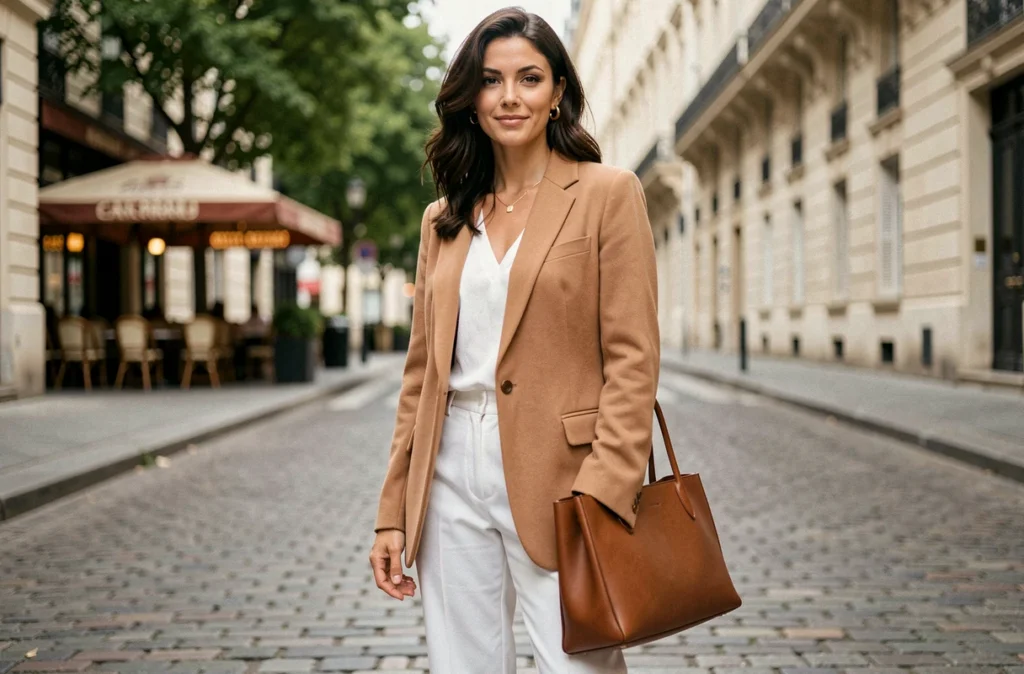
The autumn-winter 2026-2027 shows confirmed a clear shift: silhouettes are structured around controlled volumes, tactile textures, and a tightened palette. The watchword is no longer the accumulation of trendy pieces but the coherence of a wardrobe where each element justifies its place.
European regulation on unsold textiles: what changes for the informed consumer
The key technical point to remember: recycling the materials of an unsold item can be considered as destruction under this regulation. The goal is to keep the finished product in circulation, through resale or reuse, rather than breaking it down into raw material. This nuance, highlighted by Bloomberg, directs the sector towards second-hand circuits integrated directly with brands.
For those building a seasonal style, this means broader access to pieces from recent collections through second-hand channels offered by the brands themselves. Second-hand sales driven by brands represent a rapidly growing segment, and the regulation will accelerate this movement. We observe that key pieces of a season, those that follow the most documented fashion trends, appear on these circuits well before they are discounted.
Searching for a structured blazer or a corduroy coat on a brand’s second-hand channel before buying it new becomes a relevant reflex, both for the budget and for environmental impact. According to Refashion, the environmental benefit of reuse depends on what it replaces: buying a second-hand piece that substitutes for a new purchase genuinely reduces the footprint, while an additional purchase cancels out the gain.
Key materials and textures for the autumn-winter season
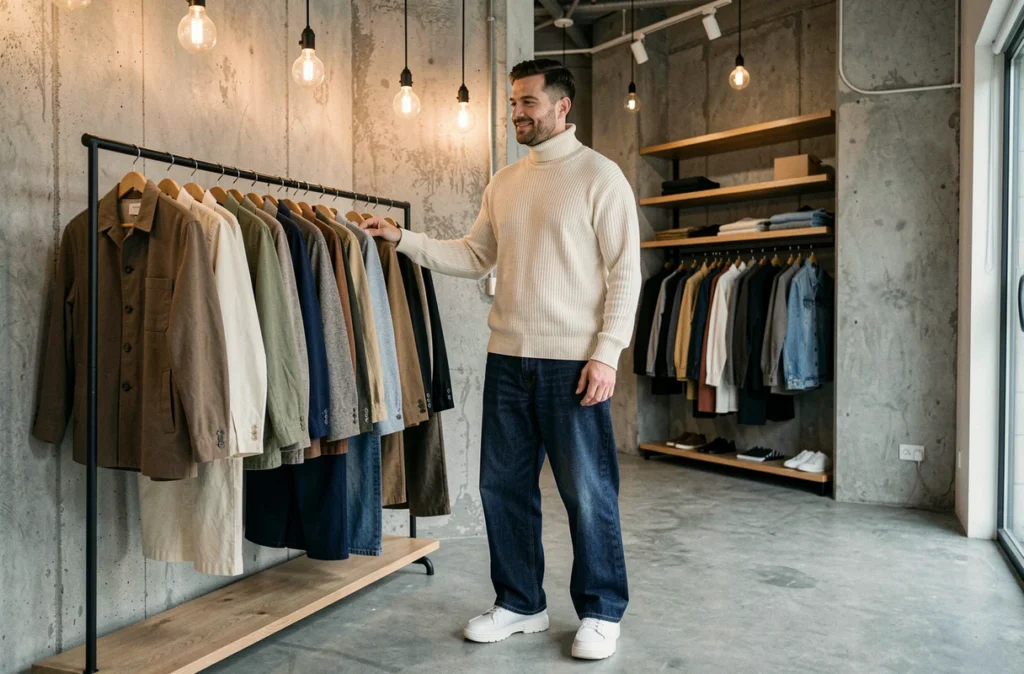
Corduroy is making a comeback with a presence that goes beyond a simple retro nod. Collections incorporate it into contemporary cuts, straight pants, and short jackets, featuring wide ribs that capture light differently depending on the angle. It is a material that structures the silhouette without rigidity.
Fluffy textures, grouped under the label “fluffy effect” on the runways, come in looped knits, short faux furs, and voluminous sweaters. The classic mistake is to layer two voluminous pieces. A textured top calls for a fitted bottom, or vice versa.
Combining textures without weighing down the look
- A thick knit sweater is worn with straight jeans or fluid pants in smooth fabric to balance the volumes.
- A corduroy jacket gains modernity with a thin turtleneck rather than a thick shirt underneath.
- Smooth leather accessories (belt, structured bag) serve as a counterpoint to matte and absorbent textures.
This season, the choice of material takes precedence over color. A monochrome look in varied textures creates more visual impact than a multicolored assembly in plain cotton. Following fashion on Le Fumoir De La Mode allows you to see how these associations translate into real wardrobes, off the runway.
Autumn-winter 2026 colors: tightened palette and bold contrasts
Burgundy dominates. It is the color of the season that all circuits, from ready-to-wear to luxury, have adopted simultaneously. Its strength lies in its versatility: it works in a total look as well as a unique touch on a neutral wardrobe.
Neutrals have shifted towards chocolate, ecru, and khaki, replacing gray and black as wardrobe staples. This shift changes the logic of matching. Chocolate pants do not accept the same tops as black pants: they call for warm tones, from cream to rust, and reject cool blues.
Building a coherent palette without multiplying purchases
Three pieces in the range of new neutrals (a chocolate bottom, an ecru top, a khaki jacket) cover the majority of daily combinations. Burgundy acts as an accent, on an accessory or a unique piece that breaks the neutrality.
Floral prints, omnipresent on the runways under the label “flower power,” work better in an autumn version when the background of the print incorporates one of these warm neutrals. A floral print on a dark background structures the gaze, while a light background gives a more spring-like rendering, out of sync with the heavy textures of the season.
Structured silhouettes and seasonal accessories: the choices that matter
The blazer remains the architectural piece of the autumn wardrobe. The cuts of this season elongate the silhouette with slightly marked shoulders and high buttoning. Worn open over a turtleneck, it replaces the coat on transitional days.
Long gloves make a notable comeback. Beyond the aesthetic aspect, they alter the visible proportion of the arm and add a vertical line that refines the silhouette. In soft leather or fine knit, they are worn with three-quarter sleeves or pushed up under long sleeves for a textured effect at the wrist.
- The medium structured bag replaces soft and oversized models. It anchors the look and interacts better with fitted cuts.
- Thin belts worn over coats define the waist without flattening the volume of the piece.
- Square-toed boots with block heels complete the architectural line at the bottom of the silhouette.
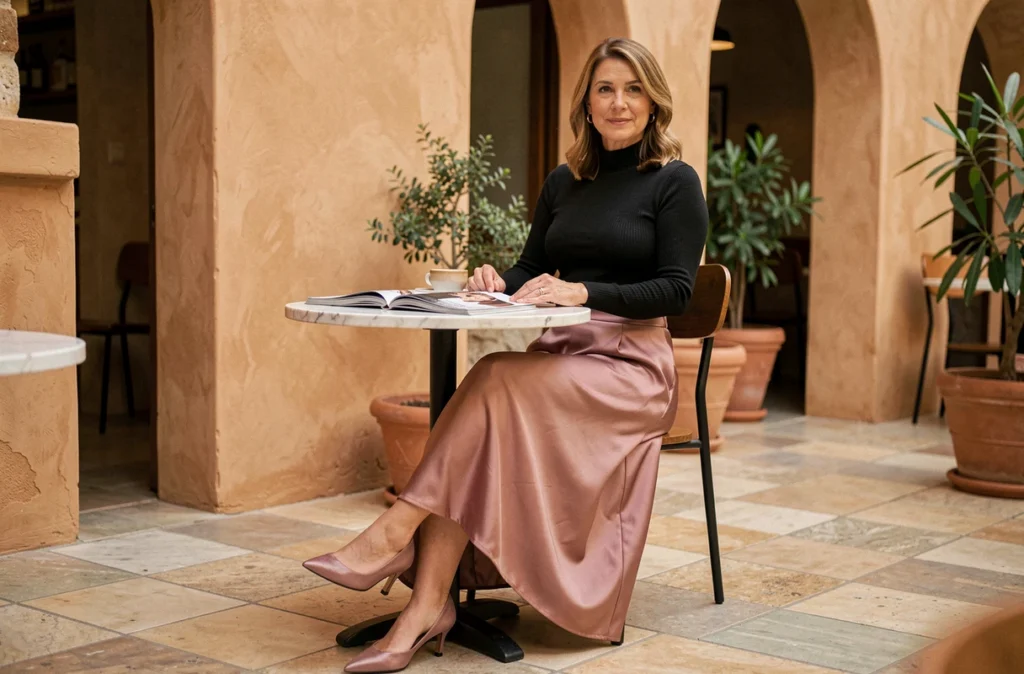
The long dress in knit or thick jersey stands out as an alternative to the pants-sweater duo. Worn with boots and a belt, it creates a column silhouette that radically simplifies the dressing process while staying within the fashion codes of the season.
This autumn-winter style is built less by addition and more by subtraction. A strong piece in texture or color, surrounded by well-cut basics in the new neutrals, produces a more refined result than a layering of trends.